Table of Contents
ToggleIntroduction
Hair transplants have become an increasingly popular solution for individuals dealing with hair loss. With advances in technology and techniques, they offer a natural-looking and long-lasting remedy for thinning hair. However, one key question on everyone’s mind is: how long does a hair transplant last? This article explores the longevity of hair transplants, the factors influencing their results, and what patients can do to maximise their investment in their new hairline.Basics of Hair Transplant Surgery
A hair transplant is a surgical procedure in which hair follicles are taken from a donor area, usually at the back or sides of the scalp, and implanted into areas experiencing thinning or balding. There are two main techniques:- FUE (Follicular Unit Extraction): FUE involves extracting individual hair follicles and transplanting them to the recipient area. It is minimally invasive and leaves tiny, almost invisible scars.
- FUT (Follicular Unit Transplantation): FUT involves a strip of skin containing hair follicles is removed from the donor area, divided into grafts, and transplanted. This technique may leave a linear scar.
The Purpose of Hair Transplants
Hair transplants aim to restore a fuller, natural-looking hairline, boosting confidence for individuals affected by hair loss. They are particularly effective for those with male or female pattern baldness, scarring alopecia, or hair thinning due to medical conditions.How Long Does a Hair Transplant Last?
Immediate vs. Long-Term Results
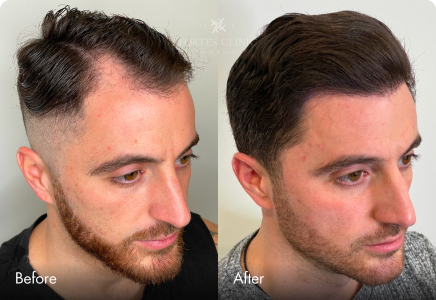
Initially, after a hair transplant, it’s normal to experience a shedding phase. This can be alarming but is a natural part of the process. Within 3 to 4 months, new hair begins to grow. By 12 to 18 months, the full results become visible, with thicker, denser hair.Are Hair Transplant Results Permanent?
Hair transplants are designed to be permanent because the transplanted hair follicles are taken from areas resistant to hair loss (the donor site). Once transplanted, these follicles maintain their resilience, continuing to grow in their new location. However, the permanence of results also depends on several external factors.Factors That Affect Hair Transplant Longevity
Quality of the Procedure
The skill of the surgeon plays a pivotal role in the success and longevity of a hair transplant. Experienced surgeons ensure precise placement and minimal trauma to the follicles, enhancing the likelihood of lasting results.Donor Area Health
A healthy donor area is critical. Hair follicles from this region are genetically resistant to hair loss, but if the donor area is overharvested or compromised, the longevity of the results may be impacted.Patient’s Hair Loss Pattern
Hair loss is often progressive, meaning untreated areas of the scalp may continue to thin over time. A well-planned transplant takes this into account, ensuring the results remain harmonious with future hair loss patterns.Post-Operative Care
Proper aftercare is essential. Patients should follow the surgeon’s guidelines, avoid harsh treatments, and protect the scalp from excessive sun exposure during recovery.What to Expect Over Time
- First Few Weeks Post-Transplant: During the first few weeks, patients may notice shock loss, where transplanted hair falls out. This is temporary and makes way for new, healthier growth.
- The First Year: Hair growth follows a steady timeline. By six months, noticeable improvements are seen, and by 12 to 18 months, the final result emerges, showcasing fuller, natural-looking hair.
- Long-Term Results: In most cases, transplanted hair lasts a lifetime. However, as untreated hair continues to thin, patients may need follow-up treatments or adjustments to maintain a balanced appearance.
How to Prolong the Results of a Hair Transplant
Medical Therapies
To complement a hair transplant, many patients use medications like Finasteride and Minoxidil to slow down further hair loss. PRP (Platelet-Rich Plasma) therapy can also stimulate and strengthen both transplanted and existing hair.Lifestyle Factors
Healthy habits can enhance the longevity of a transplant:- A balanced diet rich in vitamins and minerals promotes hair health.
- Reducing stress helps to minimise hair loss.
- Avoiding smoking and excessive alcohol consumption supports overall scalp health.
Regular Follow-Ups with Your Surgeon
Periodic consultations with your surgeon allow them to monitor progress and suggest interventions if new hair loss occurs. Early action can prevent the need for major corrections.Common Myths About Hair Transplant Longevity
“Hair Transplants Don’t Last”
This is a misconception. When performed by skilled surgeons and coupled with proper aftercare, hair transplants can provide lifelong results.“Transplanted Hair Needs Constant Treatment”
While medications like Finasteride or Minoxidil can protect existing hair, transplanted hair does not require ongoing treatment to grow.“Hair Transplants Are Maintenance-Free”
Although transplanted hair doesn’t fall out, the surrounding hair may thin over time. Maintenance treatments or lifestyle adjustments may be needed to ensure a uniform appearance.When to Consider a Second Hair Transplant
Reasons for Additional Procedures
Some patients opt for a second procedure to:- Increase density in previously transplanted areas.
- Address new balding areas as hair loss progresses.