Table of Contents
ToggleWhat Is A Trichologist?
Introduction
Hair is an essential aspect of our identity and self-expression, and it plays a significant role in our overall appearance. When our hair and scalp are healthy, we often take them for granted. However, when hair-related issues arise, they can have a profound impact on our confidence and well-being. This is where trichologists come into the picture. What is a trichologist? These are experts who specialise in the study of hair and scalp health. In this article, we will explore the world of trichology, shedding light on the role of trichologists, the conditions they treat, and the importance of their expertise in maintaining healthy hair.What Is Trichology?
Trichology is the branch of medical science that focuses on the study of hair and scalp conditions. Trichologists are specialists who have in-depth knowledge and understanding of hair growth, hair loss, and various scalp disorders. They are equipped with the skills to diagnose, treat, and manage a wide range of hair and scalp conditions, providing effective solutions and guidance to individuals seeking help for their hair-related concerns.The Role of a Trichologist
A trichologist’s primary role is to assess and analyse the health of the hair and scalp. By understanding the underlying causes of hair and scalp disorders, trichologists can provide personalised treatment plans and recommendations for their clients. Let’s delve deeper into the specific responsibilities of trichologists.Understanding Hair and Scalp Health
Identifying Hair and Scalp Disorders
Trichologists are trained to identify and diagnose various hair and scalp disorders. From common issues like dandruff and psoriasis to more complex conditions such as alopecia, trichologists possess the expertise to recognise the signs and symptoms of these disorders. By conducting a thorough examination and analysis, they can determine the root cause of the problem and develop a suitable treatment plan.Recommending Treatment Options
Education and Training of Trichologists
To become a trichologist, individuals must undergo rigorous education and training. Trichologists typically hold academic qualifications in fields such as biology, chemistry, or healthcare sciences. They may also acquire professional certifications specific to trichology, which further enhance their knowledge and expertise.Professional Certifications
Continuing Education
Trichologists understand the importance of staying up to date with the latest advancements in trichology. They engage in continuous professional development, attending seminars, workshops, and conferences to expand their knowledge and keep abreast of emerging research and treatment techniques. By staying current, trichologists can provide the most effective and innovative solutions to their clients.Common Hair and Scalp Conditions Treated by Trichologists
Hair Loss (Alopecia)
Hair loss is a prevalent concern among individuals of all ages and genders. Trichologists specialise in addressing different types of hair loss conditions, including:- Androgenetic Alopecia: This is the most common form of hair loss, often referred to as male or female pattern baldness. Trichologists can provide targeted treatments and interventions to slow down the progression of androgenetic alopecia and promote hair regrowth.
- Alopecia Areata: This condition is characterised by the sudden loss of hair in patches. Trichologists can help individuals manage alopecia areata through a combination of treatments, including topical medications and lifestyle modifications.
- Telogen Effluvium: This type of hair loss occurs when a significant number of hair follicles enter the resting phase prematurely. Trichologists can identify the underlying triggers and develop strategies to restore normal hair growth.
- Traction Alopecia: This condition results from the excessive pulling or tension applied to the hair, leading to hair breakage and thinning. Trichologists can provide guidance on hairstyles and practices that minimise hair damage and promote regrowth.
- Trichotillomania: A compulsive hair-pulling disorder, trichotillomania can cause noticeable hair loss. Trichologists work closely with individuals suffering from trichotillomania to address the underlying emotional factors and develop coping mechanisms.
Scalp Conditions
In addition to hair loss, trichologists also specialise in the treatment of various scalp conditions that can affect the health and appearance of the hair. Some of the common scalp conditions trichologists deal with include:- Dandruff (Seborrheic Dermatitis): This condition is characterised by the sudden loss of hair in patches. Trichologists can help individuals manage alopecia areata through a combination of treatments, including topical medications and lifestyle modifications.
- Psoriasis: This type of hair loss occurs when a significant number of hair follicles enter the resting phase prematurely. Trichologists can identify the underlying triggers and develop strategies to restore normal hair growth.
- Eczema: This condition results from the excessive pulling or tension applied to the hair, leading to hair breakage and thinning. Trichologists can provide guidance on hairstyles and practices that minimise hair damage and promote regrowth.
- Scalp Folliculitis: A compulsive hair-pulling disorder, trichotillomania can cause noticeable hair loss. Trichologists work closely with individuals suffering from trichotillomania to address the underlying emotional factors and develop coping mechanisms.
Trichological Examination and Analysis
Initial Consultation
When visiting a trichologist, the initial consultation is a crucial step in the assessment process. During this consultation, the trichologist will gather information about the client’s medical history, lifestyle, and specific hair concerns. This allows them to gain a comprehensive understanding of the client’s unique situation.Hair and Scalp Evaluation
After the initial consultation, trichologists conduct a detailed examination of the client’s hair and scalp. They observe the scalp for signs of inflammation, redness, or scaling, and examine the hair strands for texture, thickness, and signs of damage. This evaluation helps trichologists identify any underlying issues and develop an accurate diagnosis.Microscopic Examination
In certain cases, trichologists may perform a microscopic examination of the hair and scalp. This involves using specialised equipment to magnify the hair and scalp, allowing for a closer inspection of the hair shafts, follicles, and scalp condition. A microscopic examination provides valuable insights into the health and integrity of the hair and scalp, aiding in the diagnosis and treatment planning process.Diagnostic Tests
In complex cases, trichologists may recommend additional diagnostic tests to further investigate the underlying causes of hair and scalp disorders. These tests may include blood tests, scalp biopsies, or trichograms. By gathering more specific data, trichologists can refine their diagnosis and tailor the treatment plan to the individual’s needs.Treatment Approaches in Trichology
Non-surgical Treatments
Trichologists employ a variety of non-surgical treatments to address hair and scalp conditions. These treatments may include:- Topical Medications: Trichologists may prescribe topical medications, such as minoxidil or corticosteroids, to promote hair growth or manage specific scalp conditions.
- Nutritional Supplements: Trichologists recognise the importance of nutrition for healthy hair and may recommend specific supplements to address deficiencies or optimise hair growth.
- Laser Therapy: Low-level laser therapy (LLLT) is a non-invasive treatment option that stimulates hair follicles and improves hair growth. Trichologists may utilise LLLT devices as part of their treatment plans.
- Mesotherapy: This technique involves injecting a customised blend of vitamins, minerals, and medications into the scalp to promote hair growth and scalp health. Trichologists may administer mesotherapy to individuals experiencing hair loss or scalp conditions.
Surgical Treatments
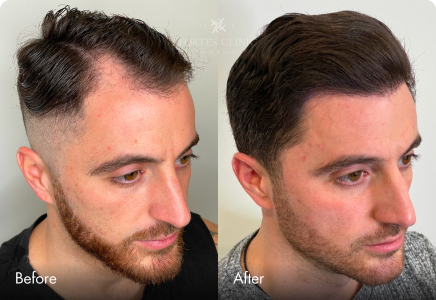
In cases where non-surgical treatments are ineffective or insufficient, trichologists may collaborate with hair transplant surgeons to explore surgical options. The two most common surgical treatments for hair restoration are:- Hair Transplantation: This procedure involves transplanting hair follicles from donor areas to areas experiencing hair loss. Trichologists work closely with hair transplant surgeons to determine the best approach and assist in post-operative care.
- Scalp Reduction: Scalp reduction surgery aims to remove areas of bald scalp and tighten the remaining skin to create a more aesthetically pleasing appearance. Trichologists can provide valuable input during the surgical planning process.